

The Messier catalog is a landmark 18th-centry list of 110 bright deep-sky objects–nebulae, star clusters, and galaxies–compiled by French astronomer Charles messier to help comet hunters distinguish permanent, “fuzzy” celestial bodies from passing comets. It represents the finest showpiece objects visible from the Northern Hemisphere and remains essential for amateur astronomy and identifying bright, nearby deep-sky objects.
Sometimes, the simplest moments hold the deepest wisdom. Let your thoughts settle, and clarity will find you. Use this quote space to share something inspirational or reflective, perfectly aligned with the theme of your article.
Comet Hunting “Red Herrings”: Charles Messier (1730–1817) was a dedicated comet hunter who frequently encountered faint, fuzzy, permanent objects that looked like comets but did not move.
The Goal: He created the list to avoid wasting time “rediscovering” these objects (such as the Nebula in Taurus, now M1) during his search for actual comets.
Compilation: The first version was published in 1774, and the final catalog grew to 110 objects (though early versions were smaller) with the help of his colleague Pierre Méchain.

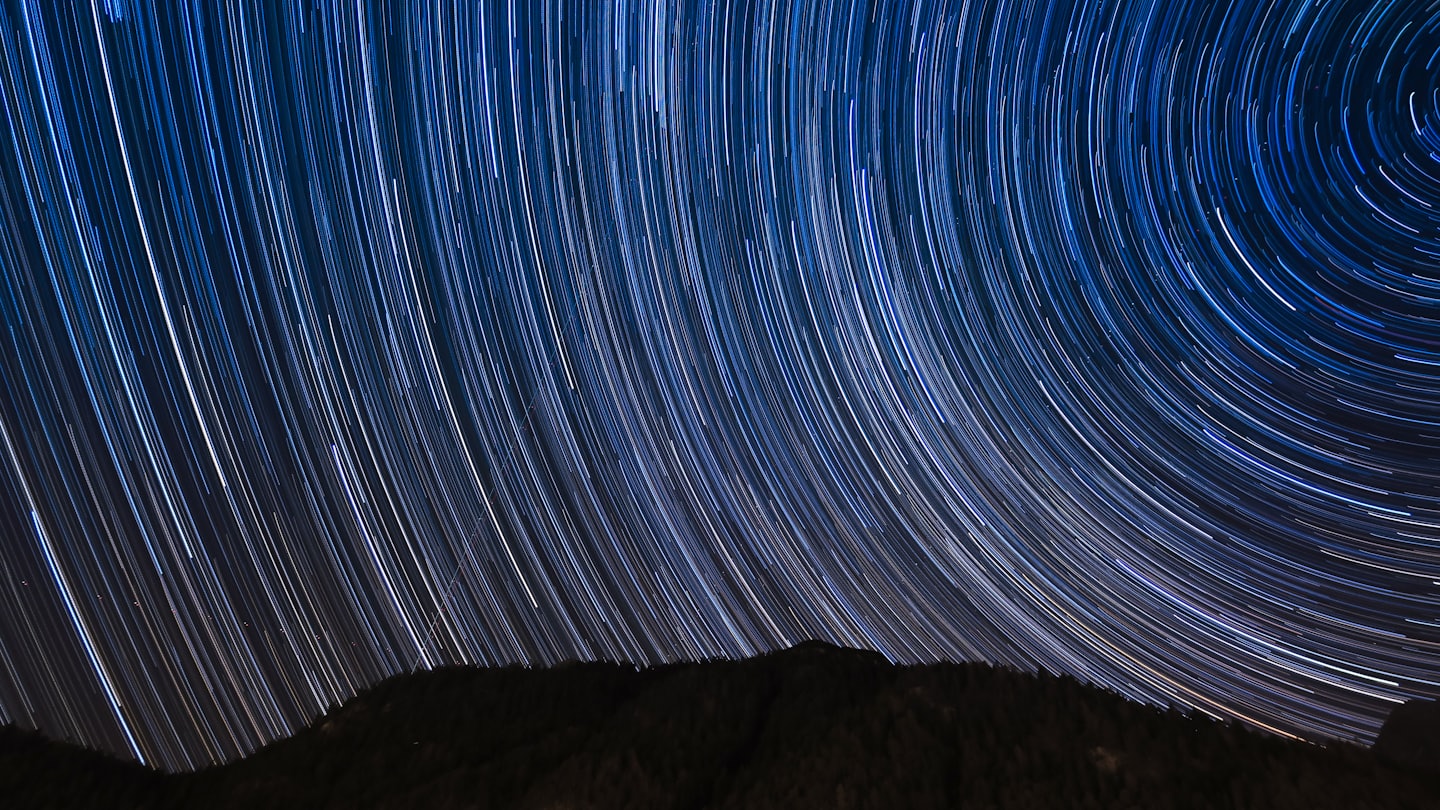
Ironically, Messier did not set out to catalog these beautiful objects for their own sake. He was an avid comet hunter during a time when discovering a comet brought great prestige.
The Growth: The first version (1771) had 45 objects. By his death in 1817, the list had grown to 103. Modern astronomers later added seven more based on his and his assistant Pierre Méchain’s observation notes, bringing the total to 110.
The Problem: Through the small, low-power telescopes of the 18th century, distant galaxies and nebulae appeared as “faint, fuzzy blobs,” just like comets.
The Solution: To save himself and other comet hunters from wasting time tracking these stationary “imposters,” Messier recorded their positions.
Key Features of Messier Objects
Bright and Visible: Because they were observed with a small (approx. 100mm / 4-inch) refracting telescope in downtown Paris, these objects are among the brightest “deep-sky” objects in the night sky.
Variety: The list includes five main types of deep-sky objects:
- Diffuse Nebulae: M42 (Orion Nebula)
- Planetary Nebulae: M57 (Ring Nebula)
- Open Clusters: M45 (Pleiades)
- Globular Clusters: M13 (Hercules Cluster)
- Galaxies: M31 (Andromeda Galaxy)
Accessible: Almost all 110 objects can be viewed with binoculars or a small backyard telescope.
Leave a Reply